
Our Developed Technology
At the heart of our innovation lies a seamless fusion of cutting-edge AI algorithms and precision optical engineering. We design and build imaging systems that push the boundaries of clarity, compactness, and reliability.
Compact multi-object distance wide spectrum high-precision objective lens system
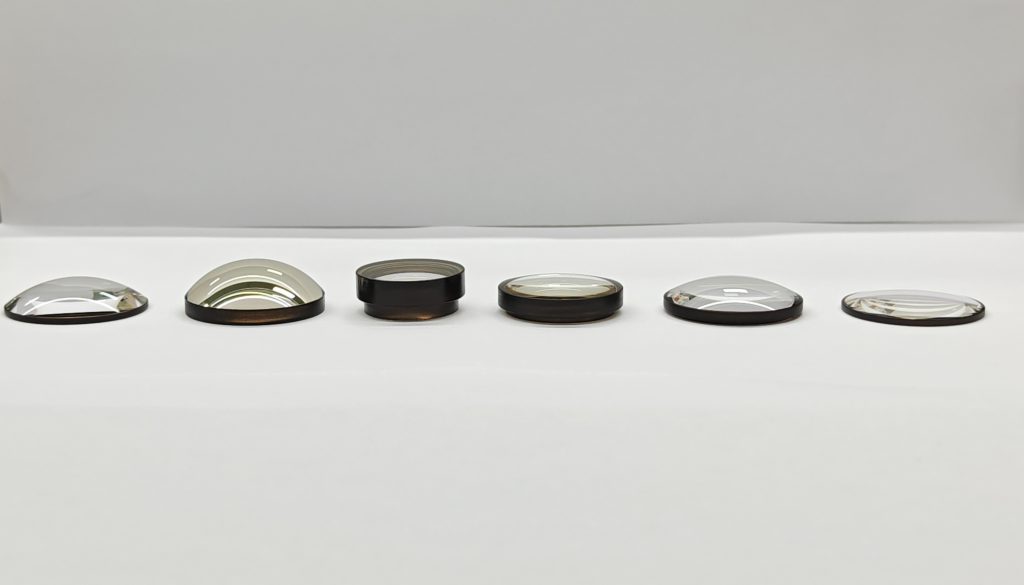
The objective lens consists of 6 types of lenses (including 3 crescent-shaped convex lenses and 3 double glued lenses), 1 lens barrel, and 5 types of separators, pressure rings, and gaskets.
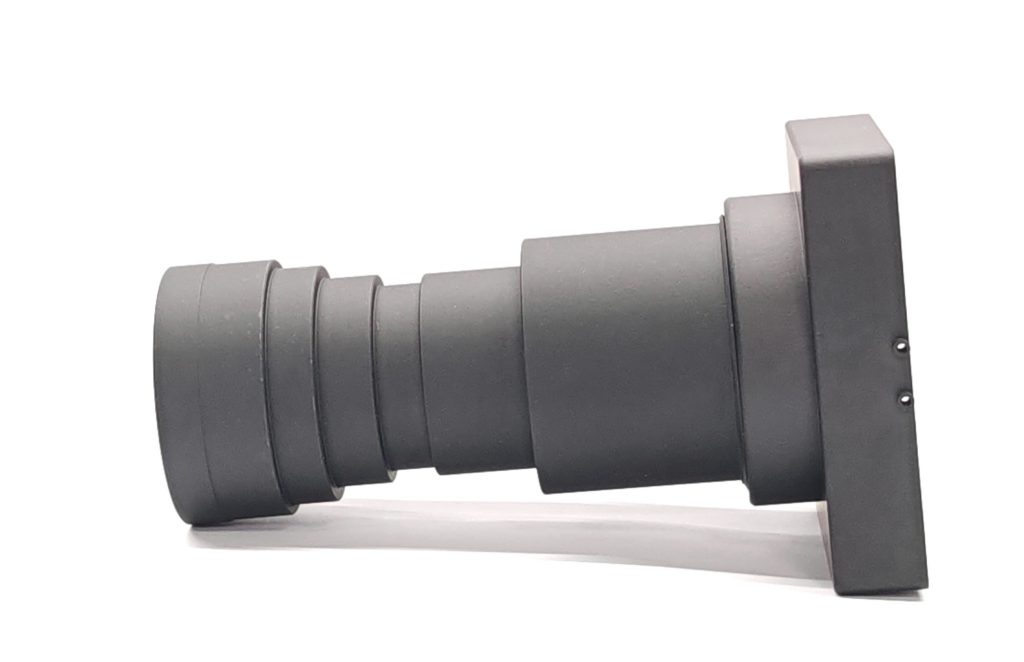
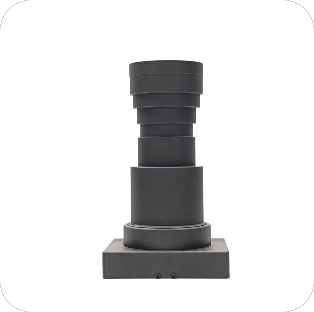
Supporting the main optical module is a custom-designed lens barrel, built to protect and precisely position the internal lens elements. Its sturdy structure ensures consistent performance over time, helping to maintain image quality and alignment across various usage conditions.
Designed for extreme conditions, this lightweight lens system (≤ 137 g, TTL ≤ 92 mm) delivers sharp, high-contrast images with high MTF (≥ 0.2@33.3 lp/mm), ultra-low distortion (<1%), minimal field curvature (≤ 0.26 mm), and precise RMS (≤ 20 μm). It’s optimized for 15 μm pixel detectors and performs reliably from -40°C to 80°C.
Large field of view ultra-compact refractive super hybrid lens
Wafer-Level Meta-Aspheric Lens (MAL) ArchitectureWe introduce a wafer-level meta-aspheric lens (MAL) that achieves a 101.5° ultra-wide FOV, F/1.64 aperture, and a compact 3.39 mm TTL—a breakthrough for mobile NIR systems. The hybrid metasurface–aspheric design reshapes light distribution to enable ultra-compact, high-performance lenses.The camera achieves MTF > 0.31 at 50 lp/mm and supports AI-driven super-resolution imaging, making it ideal for next-gen smartphone photography and AR navigation.

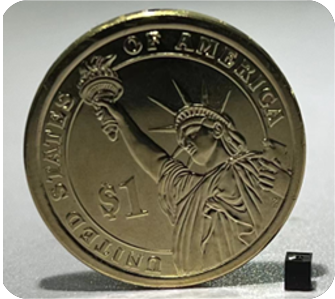
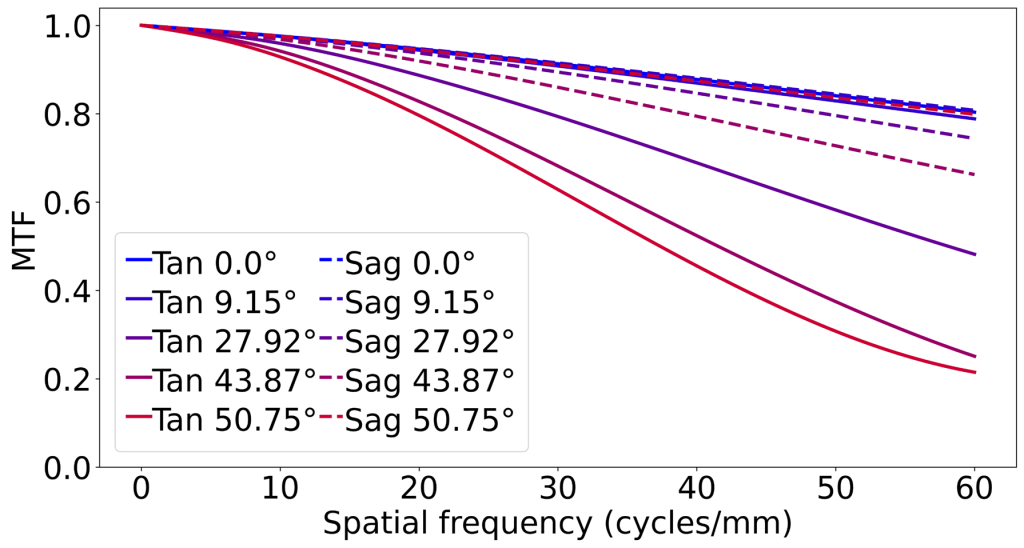
Our advanced fabrication technique demonstrates excellent consistency between the measured and simulated MTF values, in contrast to conventional manufacturing methods where significant discrepancies often occur due to inherent processing errors so i have this paragraph with two result simulation one is graph the other it something like photo total optic lengh i have to choose which one i put i cant put both of them
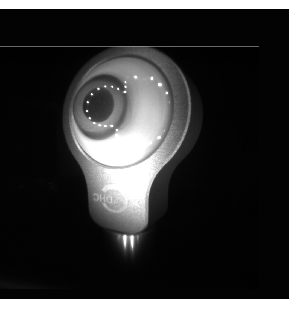
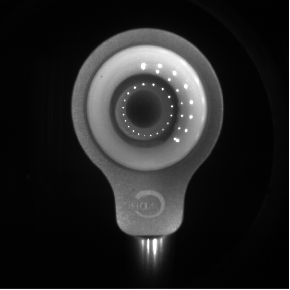
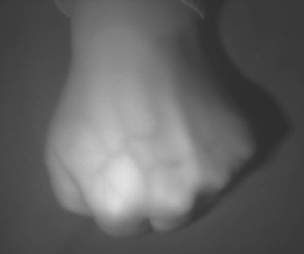
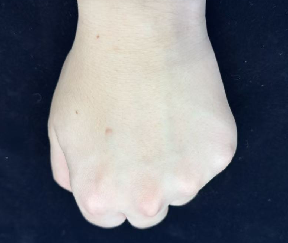
The results show that different ocular structures can be clearly distinguished across various imaging angles. Additionally, we evaluated MAL’s capability for subcutaneous tissue imaging by comparing hand vascular images acquired independently using a visible light camera and the MAL camera, as shown in Fig. 3e. The MAL camera provides clear visualization of dorsal hand veins, which cannot be achieved by conventional visible light imaging. This functionality could be integrated into AR glasses for surgical navigation applications in the future.
Innovation-Focused Core Instruments Powering Our Innovation
8K Stereo Display Endoscope
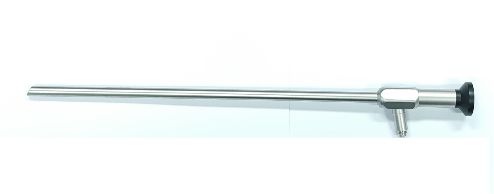
Our endoscope uses advanced deep learning models like UVMNet and MambaIR to deliver real-time dehazing, denoising, segmentation, fusion, and 3D reconstruction, producing ultra-high-definition 8K stereo images with exceptional clarity and true-to-life color for enhanced diagnostics and surgical precision